Compare Local Contractors for Underfloor Repair Services
Compare local contractors for underfloor repair to define project scope, verify experience, and set clear expectations in writing for a successful repair.
Underfloor repair services typically cover a range of work aimed at restoring and maintaining the integrity of a building’s subfloor and underlying structures. This can include fixing damaged or rotting timber, replacing sections of the subfloor, addressing issues caused by moisture or pests, and ensuring proper support for flooring materials above. Proper underfloor repair not only improves the stability and safety of a property but can also prevent more extensive damage that might arise from unresolved issues. When engaging with service providers, property owners should consider the specific scope of work needed for their situation, whether it involves localized repairs or more comprehensive overhauls, to ensure the contractor’s expertise aligns with the project requirements.
Defining the scope of underfloor repair work is essential for setting clear expectations and avoiding misunderstandings. A well-outlined scope specifies the areas that need attention, the types of repairs required, and any additional work that might be necessary to address underlying problems. This clarity helps property owners communicate effectively with contractors and ensures that all parties are aligned on what will be delivered. When comparing local contractors, it’s helpful to inquire about their experience with similar projects, their approach to scope definition, and how they document the work in writing. Verifying that contractors understand the specific needs of the property and can articulate a clear plan helps facilitate a smoother repair process.
Property owners can compare local contractors for underfloor repair by examining their experience, reputation, and approach to project planning. It’s advisable to review their previous work history, ask for references if available, and evaluate how thoroughly they define and document the scope of work. A detailed written description of the project helps establish mutual understanding and provides a reference point throughout the repair process. Additionally, property owners should consider how each contractor communicates and whether they demonstrate a clear understanding of the property’s unique needs. Comparing these aspects can help identify service providers who are capable of delivering quality work that meets the specific requirements of the repair project.
Compare local contractors by outlining project priorities, verifying experience, and clearly defining scope and expectations in writing.
- Compare Service Providers - Review multiple local contractors to find those with relevant experience in underfloor repair.
- Define Project Scope - Clearly outline the work needed to ensure all parties understand the repair requirements.
- Verify Experience - Check the background and past work of local contractors to assess their expertise.
- Document Expectations - Keep written records of the scope, responsibilities, and agreed-upon deliverables for the project.

Clearly describe your underfloor repair project to help compare contractors, verify experience, and set clear expectations in writing.
- Assess experience and expertise in underfloor repair to ensure contractors are knowledgeable about common issues and repair techniques. - Verify that service providers can clearly define the scope of work and explain the repair process in detail.
- Compare multiple local contractors to evaluate their reputation, references, and previous experience with similar underfloor repair projects. - Ensure contractors provide written estimates that outline the scope, materials, and responsibilities.
- Check that service providers have appropriate insurance coverage to protect against potential damages or liabilities during the repair process. - Confirm that all work expectations, responsibilities, and project details are documented in a written agreement.
- Review the contractors’ understanding of underlying causes of underfloor issues to ensure comprehensive and lasting repairs. - Ask about their approach to diagnosing problems and addressing potential underlying conditions.
- Ensure that contractors are transparent about the methods and materials they intend to use for the repair. - Clarify any questions about the repair techniques and ensure all details are agreed upon in writing.
Compare local contractors, clarify project scope, verify experience, and document expectations for successful underfloor repairs.
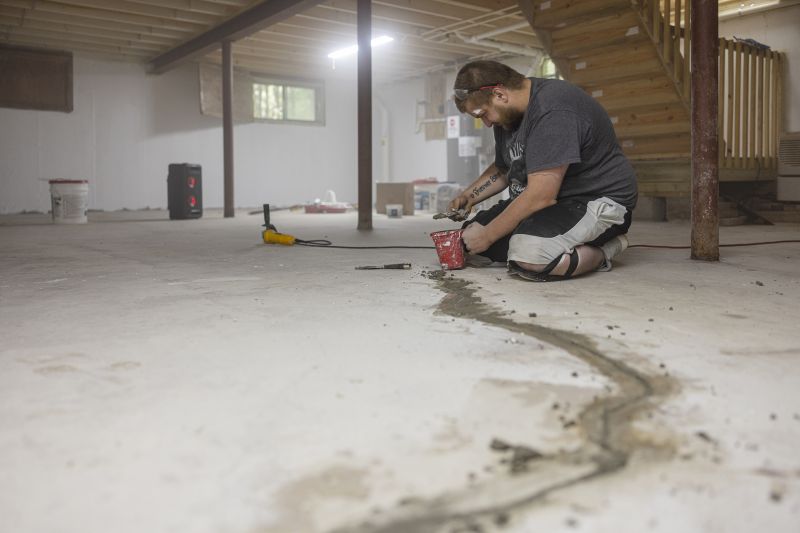
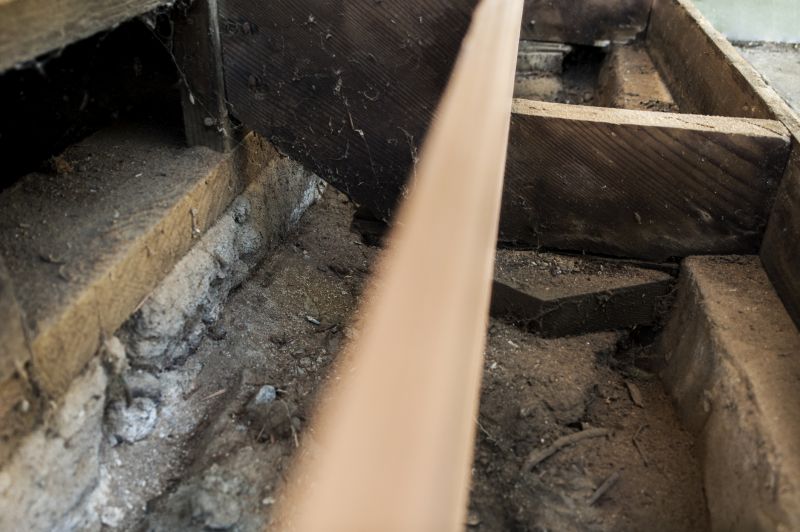
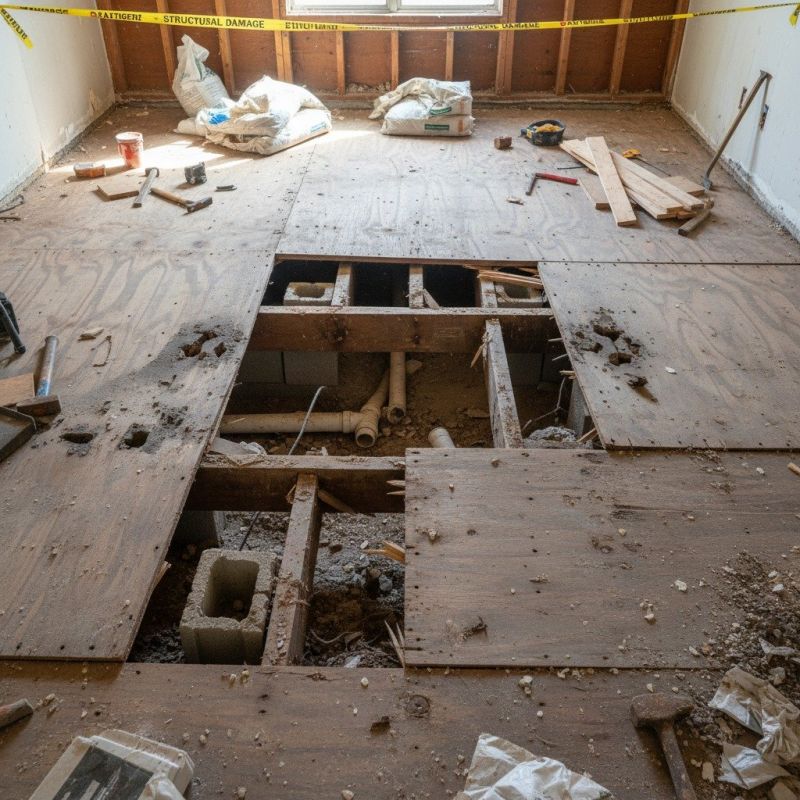
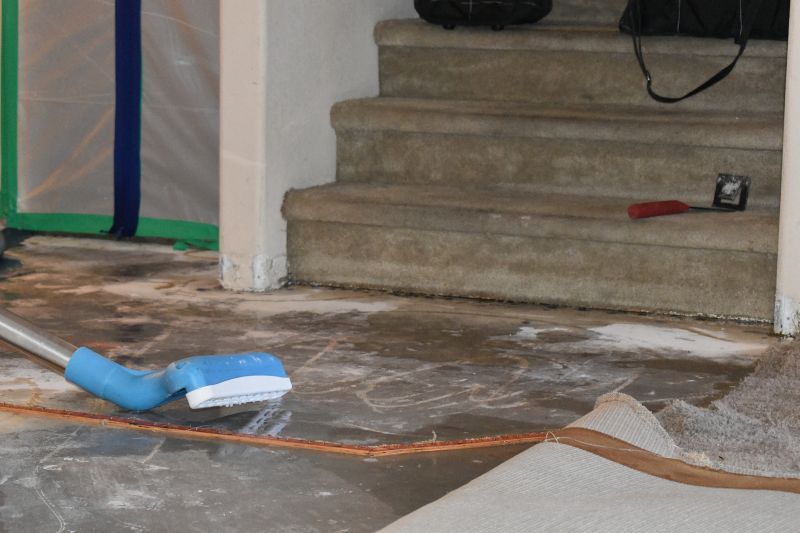
This scope builder helps compare local contractors for underfloor repair by standardizing scope, verifying experience, and setting clear expectations.
- Scope Definition - Clearly outline the specific areas and extent of the underfloor repair needed.
- Material Specification - Identify the types of materials required for the repair to ensure compatibility and durability.
- Experience Verification - Confirm that the local contractors have relevant experience with underfloor repair projects.
- Work Expectations - Establish detailed expectations for the scope, methods, and standards of the repair work in writing.
- Comparison Criteria - Develop criteria to compare different service providers based on scope clarity, experience, and communication.
When evaluating contractors for underfloor repair, it is important to consider their experience with similar projects. Homeowners should inquire about the types of underfloor issues they have handled and whether they have worked on properties comparable in size and construction style. Contractors with a proven track record in addressing specific problems-such as moisture damage, structural instability, or insulation issues-are more likely to understand the nuances of the repair process and deliver effective results.
A clear, written scope of work is essential when comparing service providers. A detailed description of the tasks involved, materials to be used, and the expected outcomes helps set realistic expectations and ensures all parties are aligned. Homeowners should seek contractors who can provide a comprehensive outline of the project, which minimizes misunderstandings and provides a solid foundation for assessing each option objectively.
Verification basics are key to making an informed choice. While licensing and certification are not discussed here, homeowners can verify a contractor’s experience by requesting references or examples of completed projects similar to their own. Asking about the methods and materials used, as well as the contractor’s approach to common challenges, can provide insight into their expertise and reliability. Confirming that the contractor has the appropriate background for the specific repair needs helps ensure the work will be handled competently.
Evaluating options without focusing on prices involves assessing how well each contractor’s approach aligns with the project’s scope and your expectations. Homeowners should compare the clarity of the proposals, the professionalism of communication, and the level of detail provided in the scope of work. Taking the time to understand each service provider’s experience, methods, and communication style can lead to a more confident decision, ensuring the chosen contractor is well-equipped to handle the underfloor repair effectively.
Ask contractors to provide written scope details to ensure clear expectations and consistent project understanding.
- Experience and Expertise - How do local contractors demonstrate their experience with underfloor repair projects?
- Scope of Work - What specific tasks and responsibilities are included in each contractor’s proposed scope?
- Materials and Methods - What materials and repair techniques do local service providers typically use for underfloor restoration?
- Warranty and Guarantees - Do contractors offer written warranties or guarantees for their underfloor repair work?
- Communication and Documentation - How do local contractors clarify project scope and expectations in written agreements?
How can I compare contractors for underfloor repair? To compare local contractors, review their experience, check for customer references, and examine their scope of work to ensure it matches the repair needs.
What should I consider when defining the scope of underfloor repair? Clearly outline the specific issues, areas to be repaired, and any additional work needed to help contractors provide accurate assessments and proposals.
How can I verify the experience of a contractor for underfloor repair? Ask for details about their previous projects, request references, and confirm their familiarity with the type of repair required for your flooring system.
Why is it important to have the scope of work in writing? Having the scope documented helps prevent misunderstandings, sets clear expectations, and provides a reference for the work to be completed.
What questions should I ask contractors during the selection process? Inquire about their experience with similar repairs, the methods they use, and how they plan to approach your specific underfloor issues.
How can I ensure the contractor understands my repair needs? Communicate your concerns clearly, provide details about the problem, and confirm that the scope of work covers all necessary repairs before proceeding.
This page has highlighted the importance of clearly defining the scope of underfloor repair projects, verifying the experience of service providers, and setting expectations in writing to ensure a smooth process. By understanding these key points, visitors can make more informed decisions when comparing local contractors and selecting the right professional for their needs. Utilizing the quote form allows for easy comparison of options to find qualified service providers in the area.
Taking the time to gather details and ask questions through the quote form can help identify experienced local contractors capable of handling underfloor repairs. Comparing multiple options based on scope, experience, and written agreements can support a more confident choice. Connecting with trusted service providers through this process is a practical step toward finding the right match for the project.