Subflooring Renovation in Wilmington, NC
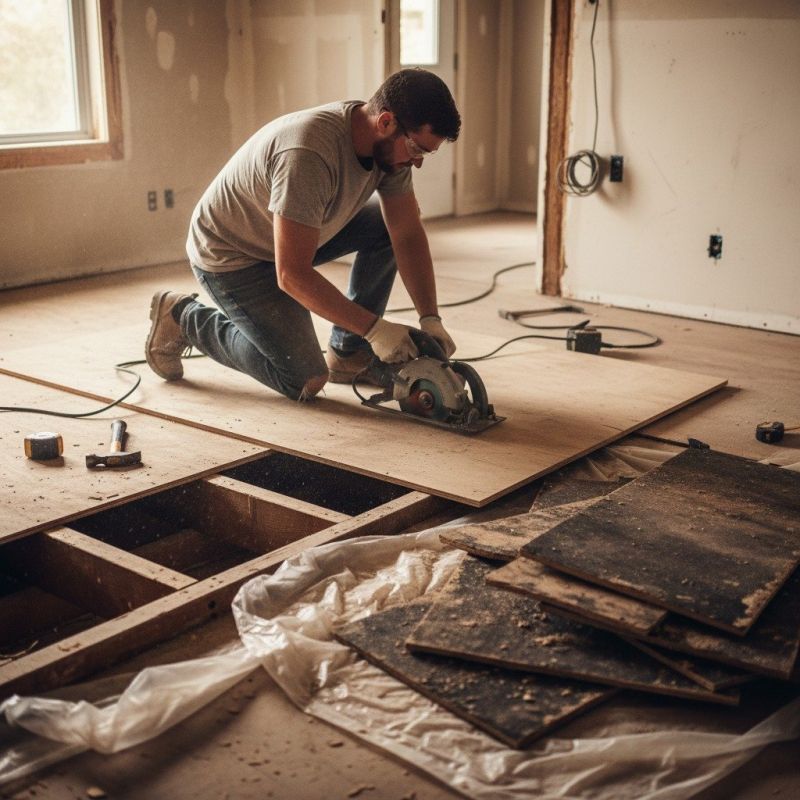
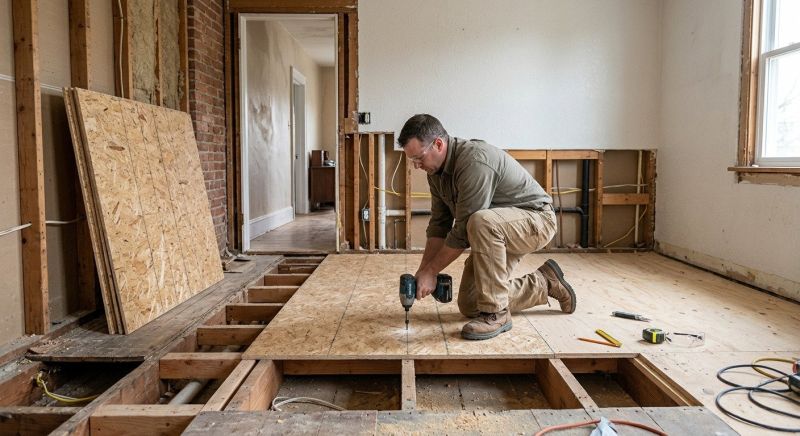
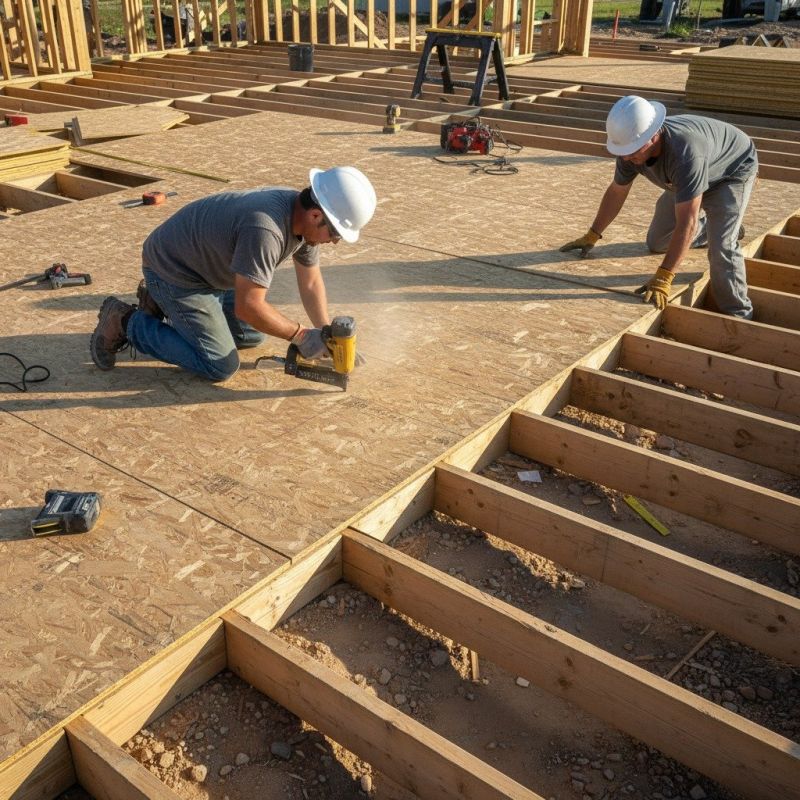
Subflooring renovation involves repairing, replacing, or upgrading the foundational layer beneath a building’s flooring. This service is often requested for projects such as remodeling a room, fixing sagging or damaged floors, or preparing a space for new flooring installations like hardwood, tile, or carpet. Property owners typically want to understand the condition of the existing subfloor, the materials involved, and how the renovation process might impact their home’s structure and stability. Ensuring proper insulation, moisture resistance, and a level surface are common concerns when considering subfloor upgrades.
Before requesting subflooring services, homeowners should evaluate the current state of their floors, including signs of water damage, mold, or uneven surfaces. Clarifying the scope of work-whether it involves simple repairs, full replacement, or reinforcement-is essential for effective planning. Understanding the types of materials used, such as plywood or oriented strand board (OSB), and how they will complement the overall flooring project can help property owners make informed decisions. Proper subfloor renovation can improve the durability and safety of a home’s flooring system, supporting long-term comfort and stability.
Many property owners in Wilmington, NC look into Subflooring Renovation for repairs, replacements, upgrades, and appearance-related improvements.
Subflooring Renovation Services
Examples of subflooring renovation work property owners may explore in wilmington, nc.
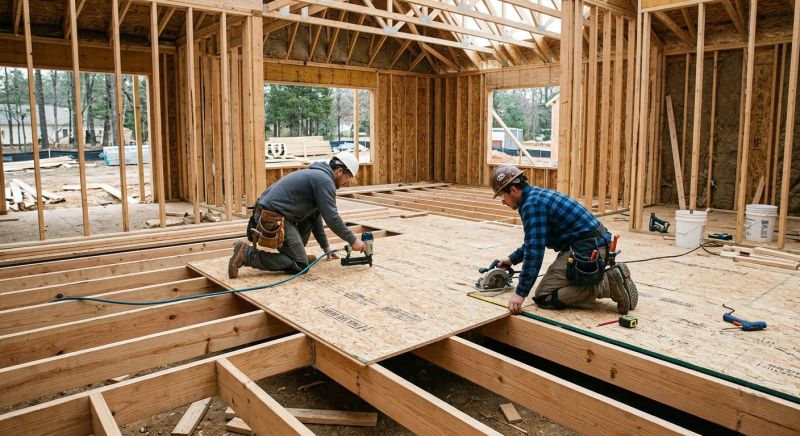
Subflooring Renovation Updates
Common ways people refresh, improve, or restore subflooring renovation features in wilmington, nc.
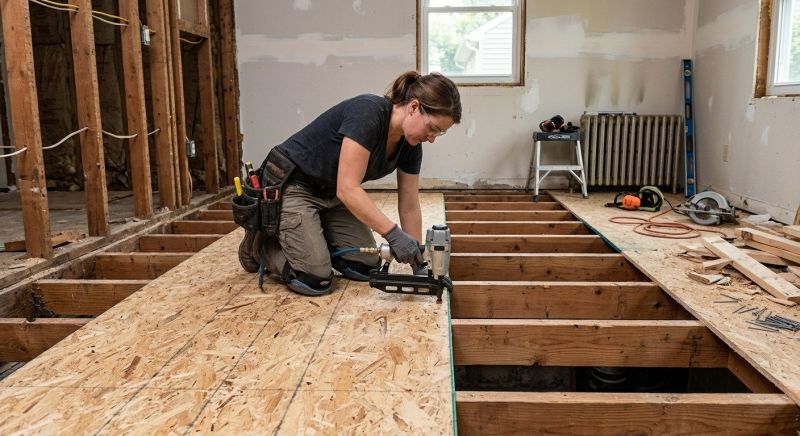
Subflooring Renovation Options
Different styles, layouts, and finishes people consider for subflooring renovation in wilmington, nc.
Subflooring Renovation in Wilmington, NC

Subflooring renovation involves repairing, replacing, or upgrading the foundational layer beneath a building’s flooring. This service is often requested for projects such as remodeling a room, fixing sagging or damaged floors, or preparing a space for new flooring installations like hardwood, tile, or carpet. Property owners typically want to understand the condition of the existing subfloor, the materials involved, and how the renovation process might impact their home’s structure and stability. Ensuring proper insulation, moisture resistance, and a level surface are common concerns when considering subfloor upgrades.
Before requesting subflooring services, homeowners should evaluate the current state of their floors, including signs of water damage, mold, or uneven surfaces. Clarifying the scope of work-whether it involves simple repairs, full replacement, or reinforcement-is essential for effective planning. Understanding the types of materials used, such as plywood or oriented strand board (OSB), and how they will complement the overall flooring project can help property owners make informed decisions. Proper subfloor renovation can improve the durability and safety of a home’s flooring system, supporting long-term comfort and stability.
Many property owners in Wilmington, NC look into Subflooring Renovation for repairs, replacements, upgrades, and appearance-related improvements.
Common Subflooring Renovation Jobs
Subfloor Replacement - involves removing damaged or rotted subflooring to create a stable foundation.
Subfloor Repair - addresses issues like squeaks, cracks, or uneven surfaces for improved flooring support.
Moisture Damage Restoration - replaces or treats subflooring affected by water leaks or high humidity.
Leveling and Smoothing - prepares the subfloor to ensure a flat, even surface for new flooring installation.
Soundproofing Subfloor - adds insulation or soundproofing materials to reduce noise transfer between floors.
Subfloor Inspection - assesses existing subfloor conditions to determine necessary repairs or replacements.
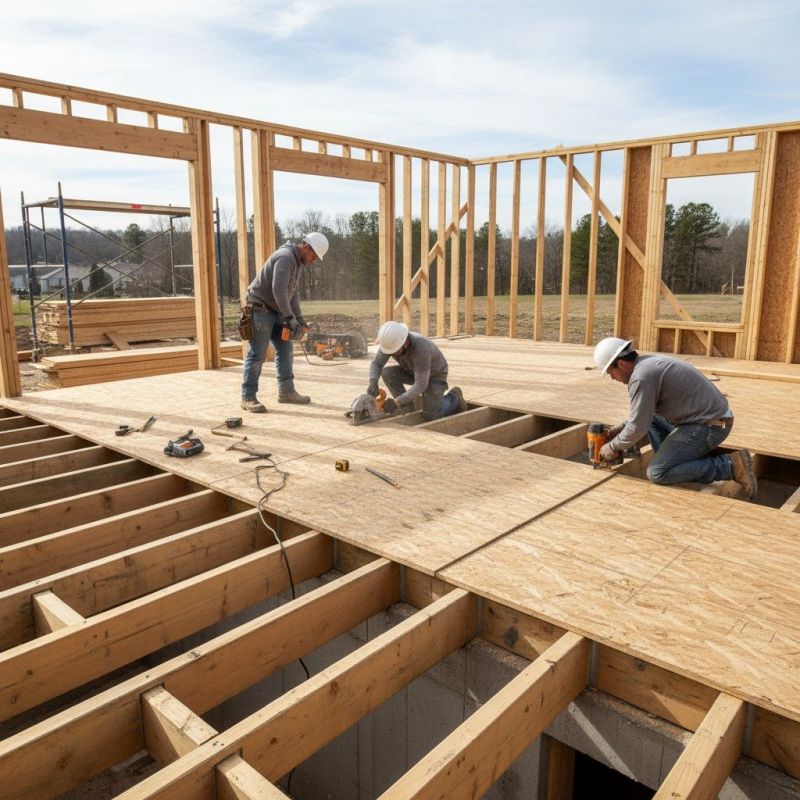
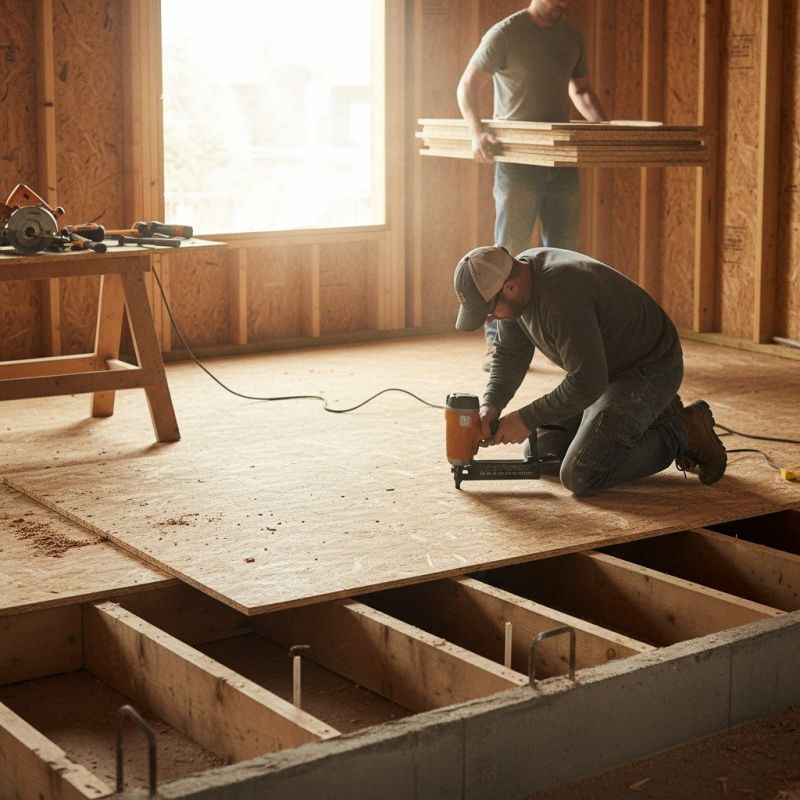
Subflooring Renovation Questions
What is subflooring renovation? Subflooring renovation involves repairing or replacing the foundational layer beneath the finished flooring to improve stability and prevent issues like squeaks or uneven surfaces.
What types of problems indicate a need for subflooring work? Signs include sagging floors, noticeable creaks, gaps between the floor and walls, or visible damage such as rot or mold.
How does subflooring renovation benefit a property? It enhances floor stability, reduces noise, prevents further damage, and creates a solid base for new flooring installations.
What materials are commonly used for subflooring renovation? Plywood, oriented strand board (OSB), and other sturdy panels are typically used to replace or reinforce existing subfloor layers.
Request Subflooring Renovation in Wilmington, NC
Use the quote form on this page to share the basics of your project and request more information for the type of work you need.